

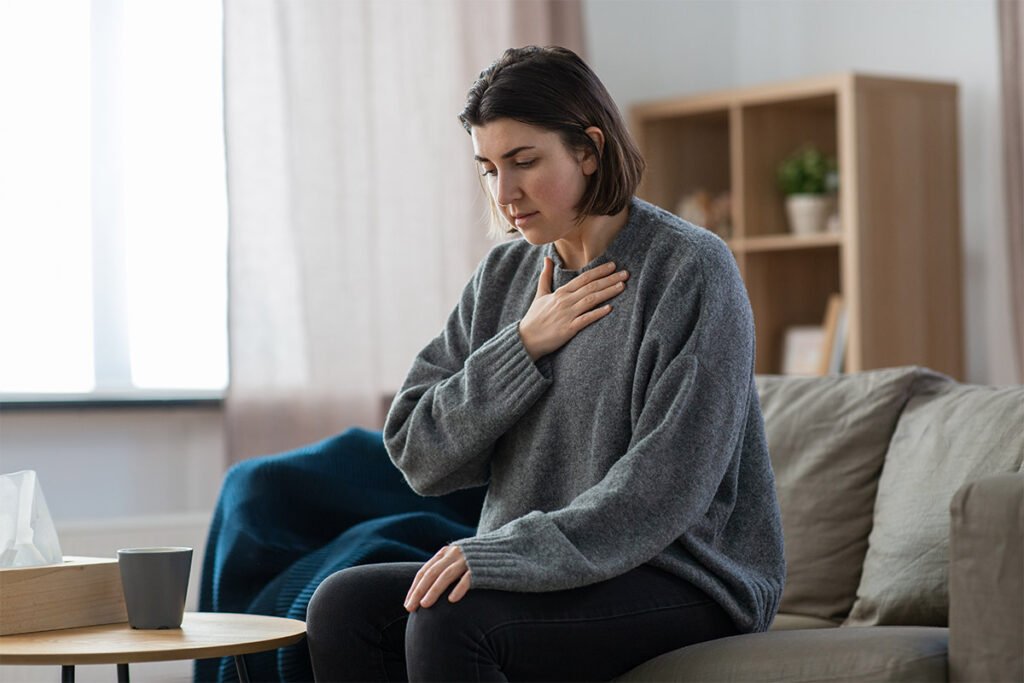
Panic attacks and anxiety attacks are terms people often use when describing sudden feelings of fear, stress, or overwhelming worry. Although they may seem similar, they are not exactly the same. Both can cause uncomfortable physical and emotional symptoms, making it difficult to focus, relax, or carry out everyday activities.
Many people experience intense anxiety before an important event, during stressful situations, or when dealing with ongoing problems. Others may suddenly feel overwhelming fear without an obvious reason. Understanding the difference between panic attack and anxiety attack can help people recognize their symptoms and learn how to manage them.
What Is a Panic Attack?
A panic attack is a sudden episode of intense fear or discomfort that can cause strong physical and emotional symptoms. It may happen unexpectedly or be triggered by a stressful situation. During a panic attack, the body’s fight-or-flight response becomes activated, even when there may not be an immediate danger.
Panic attacks can feel frightening because symptoms often appear quickly and may become intense within a short period. Some individuals may believe they are having a heart attack, losing control, or experiencing a serious medical problem.
Panic attacks can occur in people with panic disorder, anxiety disorders, or other mental health conditions. However, experiencing a panic attack does not automatically mean someone has a mental health disorder.
What Is an Anxiety Attack?
An anxiety attack is a common term used to describe a period of intense anxiety, worry, or emotional distress. Unlike panic attacks, anxiety attacks are not a formal mental health diagnosis. People often use this phrase when anxiety becomes overwhelming and begins affecting their physical and emotional well-being.
Anxiety may build gradually because of stress, uncertainty, work pressure, relationship problems, financial difficulties, or other challenging situations. Some people may feel anxious for hours or even days before their symptoms become difficult to manage.
An anxiety attack may involve excessive worrying, restlessness, difficulty concentrating, muscle tension, and a feeling of being overwhelmed.
Panic Attack vs. Anxiety Attack: What Are the Main Differences?
Although both experiences can involve fear, physical discomfort, and emotional distress, there are some important differences.
A panic attack usually involves a sudden wave of intense fear that reaches its peak quickly. The symptoms can be severe and may occur without an obvious trigger. People experiencing panic attacks may feel disconnected from their surroundings or fear something terrible is about to happen.
An anxiety attack is generally associated with ongoing worry or stress that gradually becomes overwhelming. Symptoms may develop over time and remain present as long as the stressful situation continues.
The main differences include:
- Onset: Panic attacks often begin suddenly, while anxiety symptoms may build gradually.
- Intensity: Panic attacks can involve intense physical and emotional symptoms, while anxiety may range from mild to overwhelming.
- Duration: Panic attacks usually peak within minutes, while anxiety-related distress may continue for longer periods.
- Triggers: Panic attacks may occur unexpectedly or in response to a trigger. Anxiety is often connected to ongoing stress, uncertainty, or specific worries.
- Symptoms: Both can involve physical symptoms, but panic attacks often include a more intense combination of physical sensations and fear.
What Are the Symptoms of a Panic Attack?
Panic attacks can affect the body and mind in several ways. Symptoms may vary from person to person, and not everyone experiences the same combination.
Common panic attack symptoms include:
- Rapid heartbeat or palpitations
- Shortness of breath
- Chest discomfort
- Sweating
- Trembling or shaking
- Dizziness or lightheadedness
- Feeling hot or experiencing chills
- Nausea
- Fear of losing control
- Fear of dying
- Feeling detached from oneself or surroundings
These symptoms can be frightening, especially when they happen for the first time. If someone experiences new, severe, or unexplained chest pain, difficulty breathing, or other concerning symptoms, they should seek urgent medical evaluation rather than assume it is a panic attack.
What Are the Symptoms of an Anxiety Attack?
Anxiety-related episodes may involve physical symptoms, emotional distress, and excessive worrying. These symptoms may become more noticeable when someone is dealing with ongoing stress or uncertainty.
Common symptoms include:
- Constant worrying or overthinking
- Restlessness or feeling on edge
- Muscle tension
- Headaches
- Difficulty sleeping
- Trouble concentrating
- Irritability
- Fatigue
- Stomach discomfort
- Feeling overwhelmed by everyday responsibilities
- Increased heart rate during stressful situations
Anxiety symptoms can interfere with daily life when they become persistent or difficult to manage. Some individuals may avoid certain situations because they fear becoming anxious or overwhelmed.
What Causes Panic Attacks and Anxiety Attacks?
Panic attacks and anxiety symptoms can develop for different reasons. Emotional stress, changes in daily life, physical health, and mental health conditions may all contribute.
Common contributing factors include:
- Ongoing work or school stress
- Relationship difficulties
- Financial problems
- Traumatic experiences
- Major life changes
- Sleep deprivation
- Certain medical conditions
- Excessive caffeine consumption
- Anxiety disorders
- Panic disorder
Sometimes, panic attacks occur without a clear trigger. Anxiety, however, is often connected to situations, thoughts, or experiences that create uncertainty or fear.
Understanding potential triggers can help individuals recognize patterns and develop healthier ways to manage emotional distress.
How Do Panic Attacks and Anxiety Attacks Affect Daily Life?
Both panic attacks and anxiety symptoms can affect everyday activities, relationships, work, and emotional well-being.
People experiencing panic attacks may become afraid of having another episode. This fear can lead them to avoid crowded places, public transportation, social situations, or other activities where they worry about experiencing symptoms.
Individuals dealing with ongoing anxiety may struggle with concentration, sleep, decision-making, and completing daily responsibilities. Constant worrying can make it difficult to relax or enjoy activities they previously found enjoyable.
When these symptoms become frequent or interfere with daily functioning, professional mental health support may help.
How Can You Manage Panic Attacks and Anxiety?
Learning how to respond to anxiety and panic symptoms can help individuals feel more in control during difficult moments.
Some helpful strategies include:
- Practice slow breathing: Slow, gentle breathing can help you focus and reduce the feeling of being overwhelmed.
- Use grounding techniques: Notice what you can see, hear, feel, or smell to bring your attention back to the present moment.
- Maintain a healthy routine: Regular sleep, balanced meals, physical activity, and relaxing activities may support emotional well-being.
- Identify triggers: Recognizing situations or patterns that increase anxiety can help you develop better coping strategies.
- Avoid excessive caffeine: Caffeine may increase nervousness, restlessness, or physical symptoms in some people.
- Seek professional support: Therapy and psychiatric care can help address persistent symptoms and underlying mental health conditions.
These strategies may not prevent every episode, but they can help individuals develop healthier responses to stress and emotional distress.
When Should You Seek Mental Health Support?
If panic attacks or anxiety symptoms occur frequently, interfere with daily responsibilities, or make it difficult to maintain relationships and enjoy life, seeking professional help may be beneficial.
Cognitive Behavioral Therapy (CBT) is commonly used to help people understand anxiety-related thoughts, recognize triggers, and develop healthier coping strategies. Individuals experiencing recurrent panic attacks may also benefit from panic-focused therapy.
Psychiatric medication management may be recommended when symptoms are severe, persistent, or significantly affecting daily life. Treatment depends on the individual’s symptoms, diagnosis, and overall health.
Renewed Mental Health Group provides personalized psychiatric care and therapy through telepsychiatry and in-person office visits to help individuals manage anxiety, panic attacks, and other mental health conditions. If you are searching for “Medi-Cal Insurance accept,” contact the office directly to confirm insurance coverage and eligibility for the services you need.
Conclusion
Panic attacks and anxiety attacks are often used to describe similar experiences, but they have important differences. Panic attacks involve sudden episodes of intense fear and physical symptoms, while anxiety attacks are an informal term for overwhelming anxiety that may develop gradually in response to stress or worry.
Recognizing the symptoms, understanding possible triggers, and learning healthy coping strategies can help individuals manage these experiences more effectively. With appropriate therapy, psychiatric support, and consistent self-care, people can work toward improved emotional well-being and a more balanced daily life.